The cells – now one person each – were balancing the needs of customers, investors, suppliers, and themselves as employees. They needed to align all the interests for the business to work successfully. There was no single change that was a “silver bullet”; there were thousands of small changes that each employee made independently. Integration of the admin processes into the cells significantly reduced costs.
The biggest lesson learned was that addressing the symptoms of failure would not solve the business failure issues they had. Instead they had to address the organizational model itself. Would they do it again if they had the chance? Absolutely! They are helping other companies to redesign their model too.
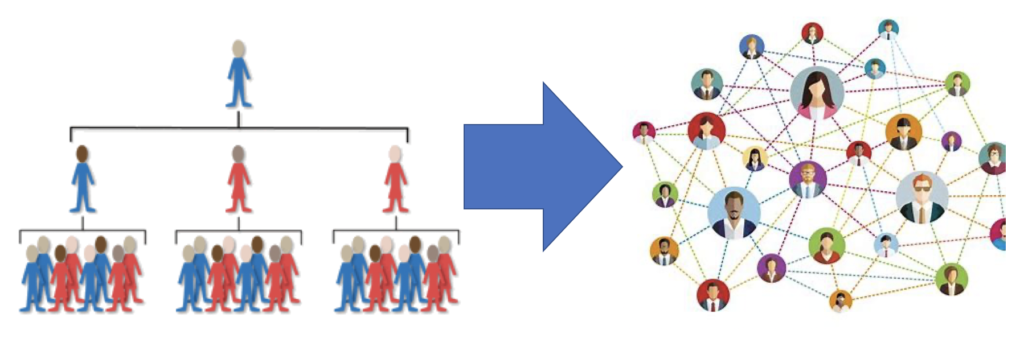
Optional Reading to do:
500%: How Two Pioneers Transformed Productivity – The First Truly Self-Leading Organisation
Chapter 14, 15, 16
Sub-topics in the Chapters:
- Andrew & Julian – different approaches
- Organisational Design for a new Context
- Capturing requirements for new organisational approaches including new behaviours
- Identifying options that could meet these requirements (traditional, holacracy, franchise, self-management, fractal self-leadership……..)
- New implementation approaches “Old World” and “New World” in parallel
- How will it change the world of work in the future?
- What are the wider societal implications of “bottom up” traffic circle approaches?